
 |


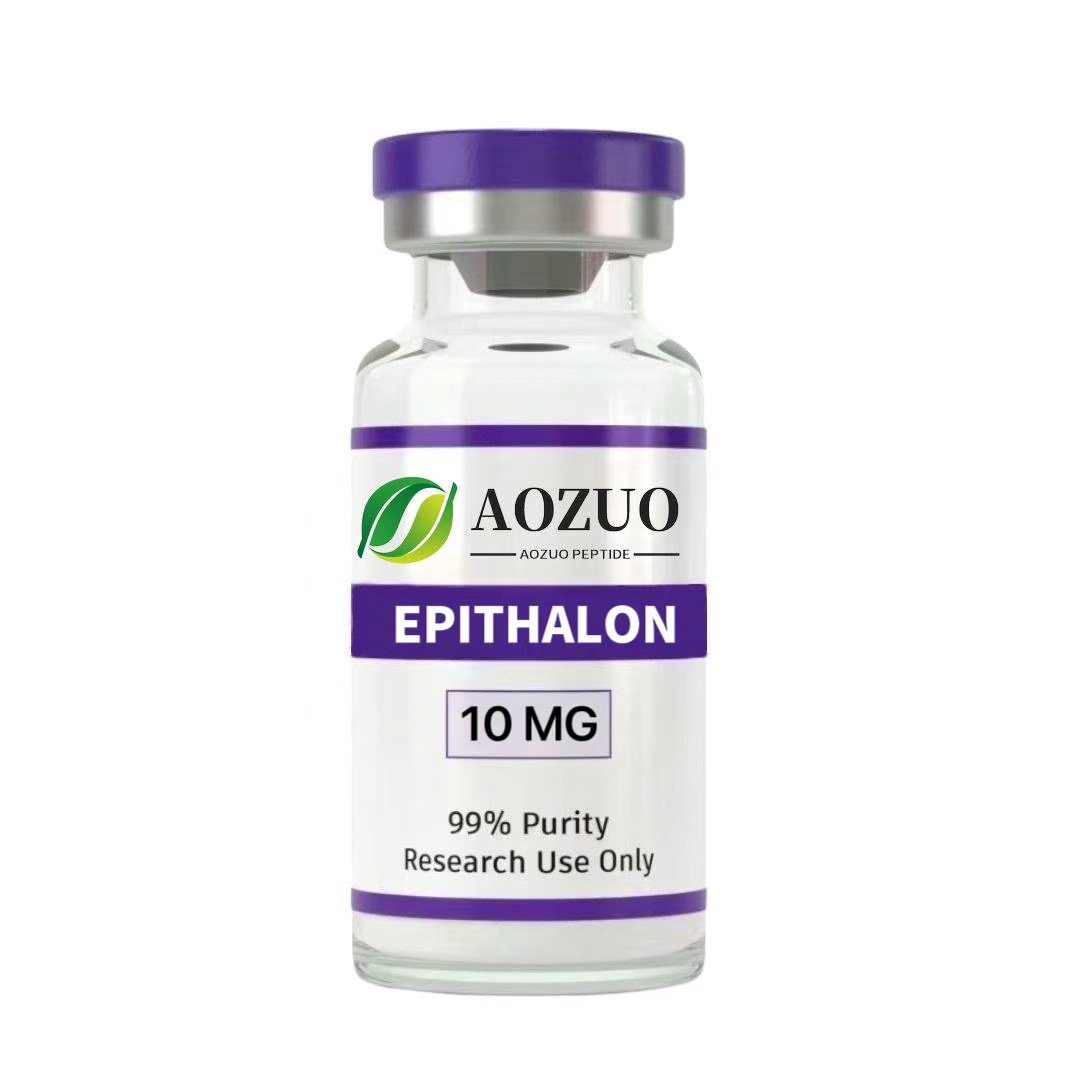
Epithalon (also known as Epitalon or Epithalone) is the synthetic version of the polypeptide Epithalamin, which is naturally produced in the pineal gland.
This polypeptide is initially produced in the pineal gland. The scientist Professor Vladimir Khavinson discovered Epitalon, and over the following 35 years, he conducted extensive research involving both animal and human clinical trials.The main purpose of Epitalon is to boost the production of telomerase, a natural enzyme responsible for the replication of telomeres, the protective sections of our DNA. Telomeres play a crucial role in DNA replication, allowing the body to generate new cells and renew old ones.In our youth, telomerase production is relatively high, resulting in longer telomeres, which contribute to robust cell health and replication. However, as we age, telomerase production diminishes, leading to decreased cell health and replication efficiency.Beyond its impact on telomeres, Epitalon also influences other aspects of bodily function. It contributes to metabolic regulation, enhances the sensitivity of the hypothalamus to its natural hormonal signals, balances the anterior pituitary's function, and regulates gonadotropin and melatonin levels within the body.
All our vials arrive in the lyophilized (powdered) form and must be reconstituted with bacteriostatic water prior to research use.


